
Introduction to Cranberry
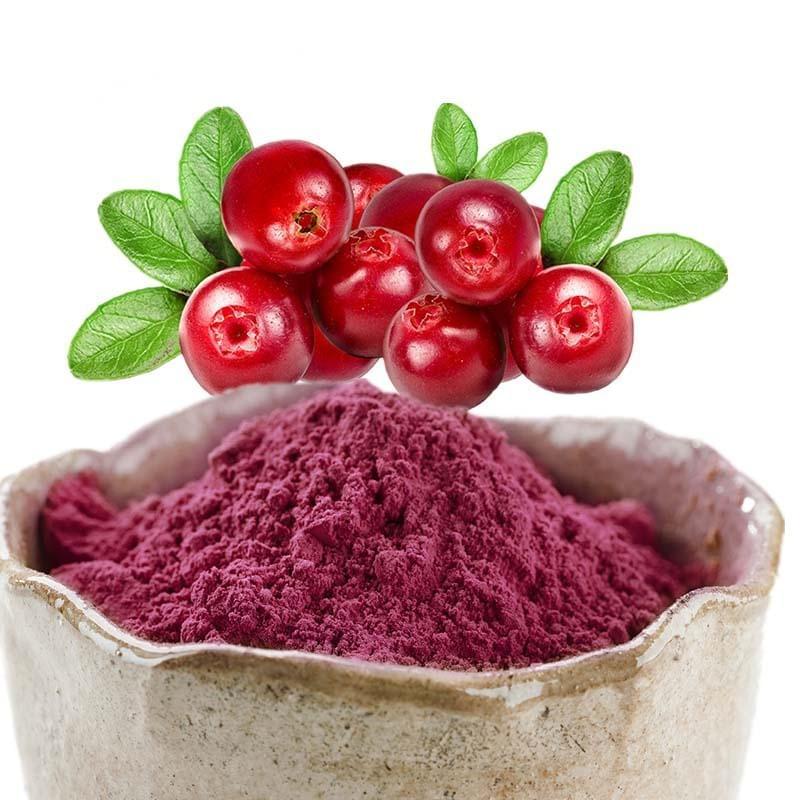
Cranberry is a plant that grows in North America. It has traditionally been used to prevent stones, remove blood toxins and treat bacterial infections in the urethra and vagina. Recent studies have proved that cranberry can prevent bacterial adhesion and infection, and is very effective in preventing common urinary tract infections in women.

The benefits of cranberry
1. Prevent urinary infections. Cranberries can acidify urine, prevent bacteria from growing in the urinary tract, and prevent bacteria from attaching to cells in the body, preventing bacteria from attaching to the walls of the urinary tract and causing urinary infections.
2. Reduce cardiovascular aging disease. People who eat high-fat, high-cholesterol, and high-calorie foods are prone to premature aging of the cardiovascular system, high blood, heart disease, vascular embolism and other diseases. Therefore, they should eat less "three high" foods in their daily diet and take more in daily life. Foods containing monounsaturated fatty acids and tocotrienols. Cranberry not only contains a large amount of these two substances, but also concentrated tannins can play an anti-oxidant function. Both people who eat meat and vegetarians can use cranberry to protect cardiovascular health.
3. Avoid Alzheimer's disease. Cranberry contains a lot of bioflavonoids, which is a substance that can strongly resist free radicals. In the current environment, we often encounter free radical damage. It is very difficult to resist aging by natural means, so we often eat some cranberries. Berry food is very good for anti-aging and avoiding Alzheimer's disease.
4. Maintain skin youthfulness. Cranberry is rich in antioxidants such as vitamin C and flavonoids, as well as rich in pectin. On the one hand, it can replenish the skin with a large number of nutrients needed, and on the other hand, it can resist free radicals and cause skin aging. It can also help eliminate toxins and fats in the body, improve constipation, and have the effect of beautifying.
5. Reduce the incidence of gastric ulcer and gastric cancer. The occurrence of gastric ulcers is mostly related to Helicobacter pylori, which can cause damage to the stomach if it attaches to the gastric mucosa for a long time. Regular consumption of cranberries can effectively inhibit bacterial attachment and can have a protective effect similar to antibiotics. It will not produce drug resistance to the body, and can effectively reduce the chance of gastric ulcer and gastric cancer.
People who are contraindicated in the consumption of cranberry
1. Use with caution for diabetics, because cranberry itself contains a certain amount of sugar, it should be used with caution for diabetics.
2. Use with caution in patients with kidney stones, because cranberry significantly increases the level of oxalic acid, so patients with kidney stones should use it with caution.
3. Do not use it randomly during the postoperative recovery period. It is generally recommended not to take it within two weeks after the operation. The body is weak during the recovery period, so do not use it indiscriminately.